What Materials Are Best for Eco-Sculptures? A Guide to Sustainable Choices


Introduction to Eco-Sculptures
Eco-sculptures are an innovative way to combine art with environmental consciousness. By using sustainable materials, artists can create beautiful pieces that not only captivate the eye but also promote ecological awareness. This guide explores the best materials for crafting eco-sculptures and how they contribute to a more sustainable planet.
Recycled Metals
Recycled metals are a popular choice for eco-sculptures. Metals like aluminum, steel, and copper can be repurposed from discarded items such as cans, appliances, and old machinery. Not only do these materials provide a robust structure, but they also reduce waste and pollution associated with metal production.

Natural Wood
Using natural, sustainably sourced wood is another excellent option for eco-sculptures. Artists often select wood from fallen trees or sustainably managed forests to ensure minimal environmental impact. The organic texture and grains of wood add a unique aesthetic to sculptures, making each piece distinct.
Clay and Earthen Materials
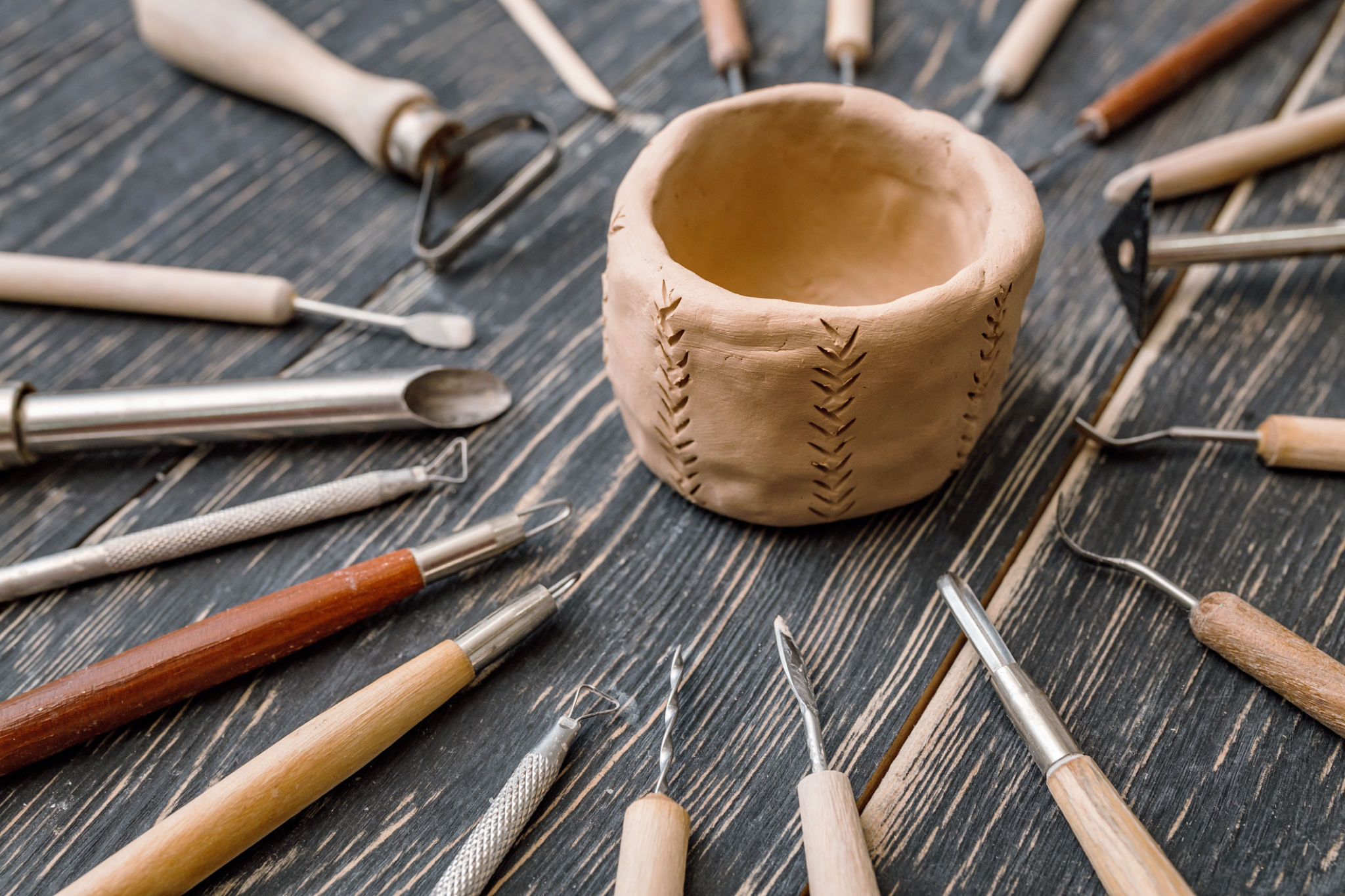
Clay and other earthen materials are biodegradable and can be sourced locally, reducing the carbon footprint associated with transportation. These materials are versatile and can be molded into various shapes, offering artists endless possibilities to express their creativity.
Reclaimed Plastics
Incorporating reclaimed plastics into sculptures helps address the global plastic waste problem. Artists can transform plastic bottles, bags, and other discarded items into vibrant and thought-provoking pieces. This approach not only recycles materials but also raises awareness about plastic pollution.
Glass from Recycled Sources
Recycled glass is another sustainable material that can be used in eco-sculptures. By melting down glass from bottles, windows, and other sources, artists can create stunning, translucent artworks. Glass offers a unique way to play with light and color, adding depth to any sculpture.

Organic Textiles
For artists interested in softer materials, organic textiles such as hemp, cotton, and wool are excellent choices. These materials can be woven, dyed, and shaped into intricate sculptures. Opting for organic textiles ensures that the materials are free from harmful chemicals and pesticides.
Conclusion
Choosing the right materials for eco-sculptures is crucial for creating art that is not only beautiful but also environmentally responsible. By selecting sustainable options like recycled metals, natural wood, and reclaimed plastics, artists can contribute to a healthier planet. As the demand for eco-friendly art continues to grow, these materials will play an essential role in shaping the future of sculpture.
